Danu Lodge
More about Celtic Holotropic Retreats
A conscious-breathing practice held safely on the east coast of Ireland, in the lineage of Grof and rooted in the Celtic land.
The lineage — from Holotropic to Celtic Holotropic retreats
Holotropic Breathwork was developed by the psychiatrist Stanislav Grof and his late wife Christina Grof in the mid-1970s, drawing on more than two decades of clinical research into non-ordinary states of consciousness. It uses accelerated breathing, evocative music, focused bodywork and expressive art to open a doorway into the deeper layers of the psyche — safely, and without any substance.
In 2020, Stan and his current wife Brigitte Grof established Grof Legacy Training (GLT) to carry the work forward into a new generation of facilitators. Because the term "Holotropic Breathwork" remains a registered trademark of the earlier Grof Transpersonal Training (GTT) school, practitioners certified through GLT hold the same practice under new regional names. Ours is Celtic Holotropic retreats — the same method, the same standards of safety and integrity, held here on the east coast of Ireland and rooted in the land, story and ancestral tradition of these islands.
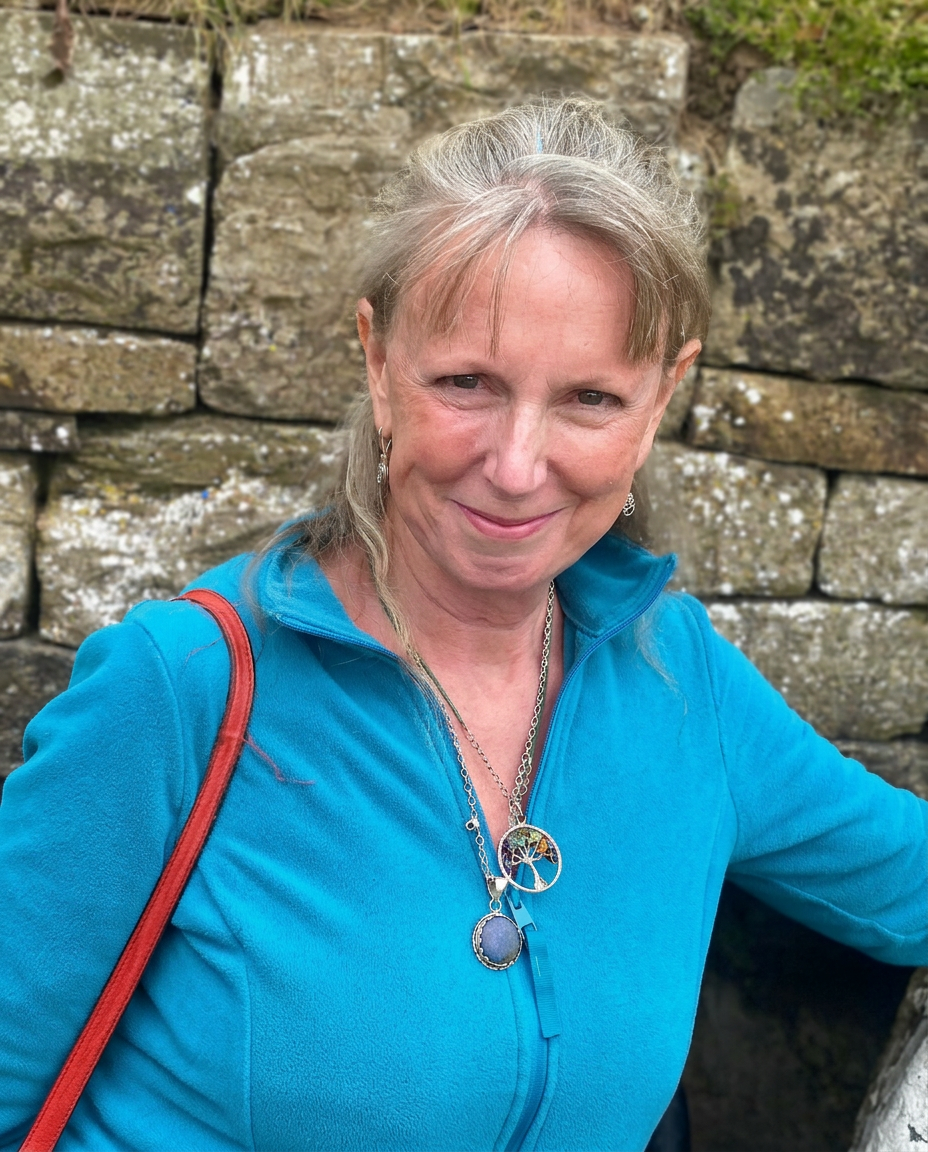
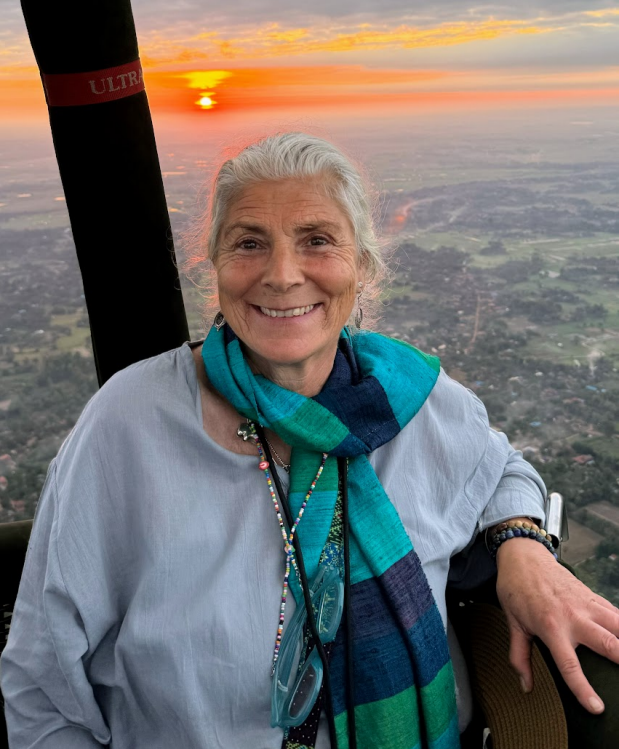
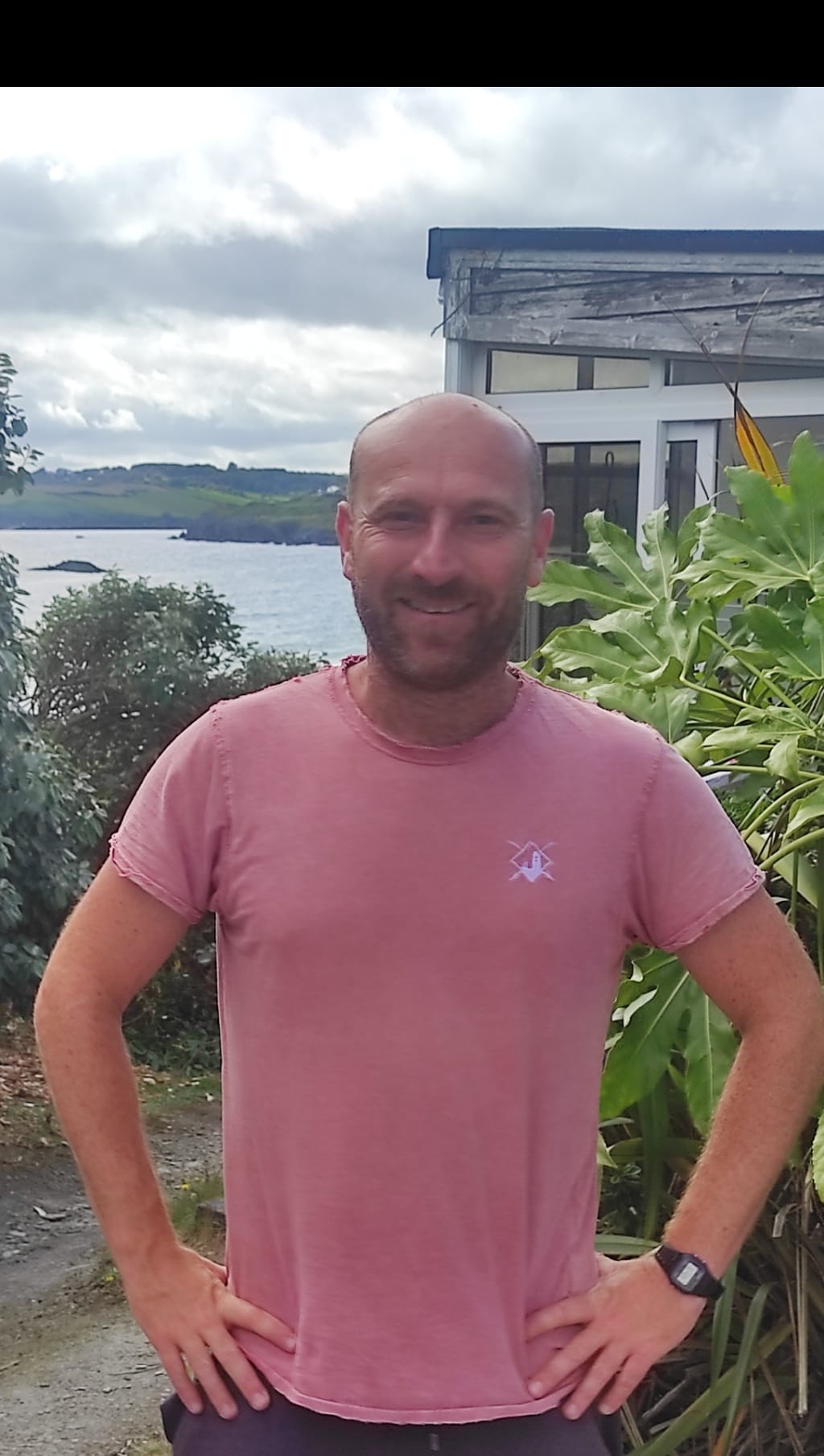
Kate Curtis certified as a Holotropic Breathwork facilitator through GTT in 2012 and joined the GLT founding team in 2021. Claire Mathews certified through GTT in 2016 and is also certified through GLT, where she now sits on the team of trainers. Between them they carry both lineages of Stan and Christina Grof's original work. They are supported on retreat by Carlos del Rio, who has assisted Holotropic Breathwork retreats here for several years and helps hold a safe, grounded and compassionate space for every participant — you can read his full profile on our team page.
A Celtic adaptation
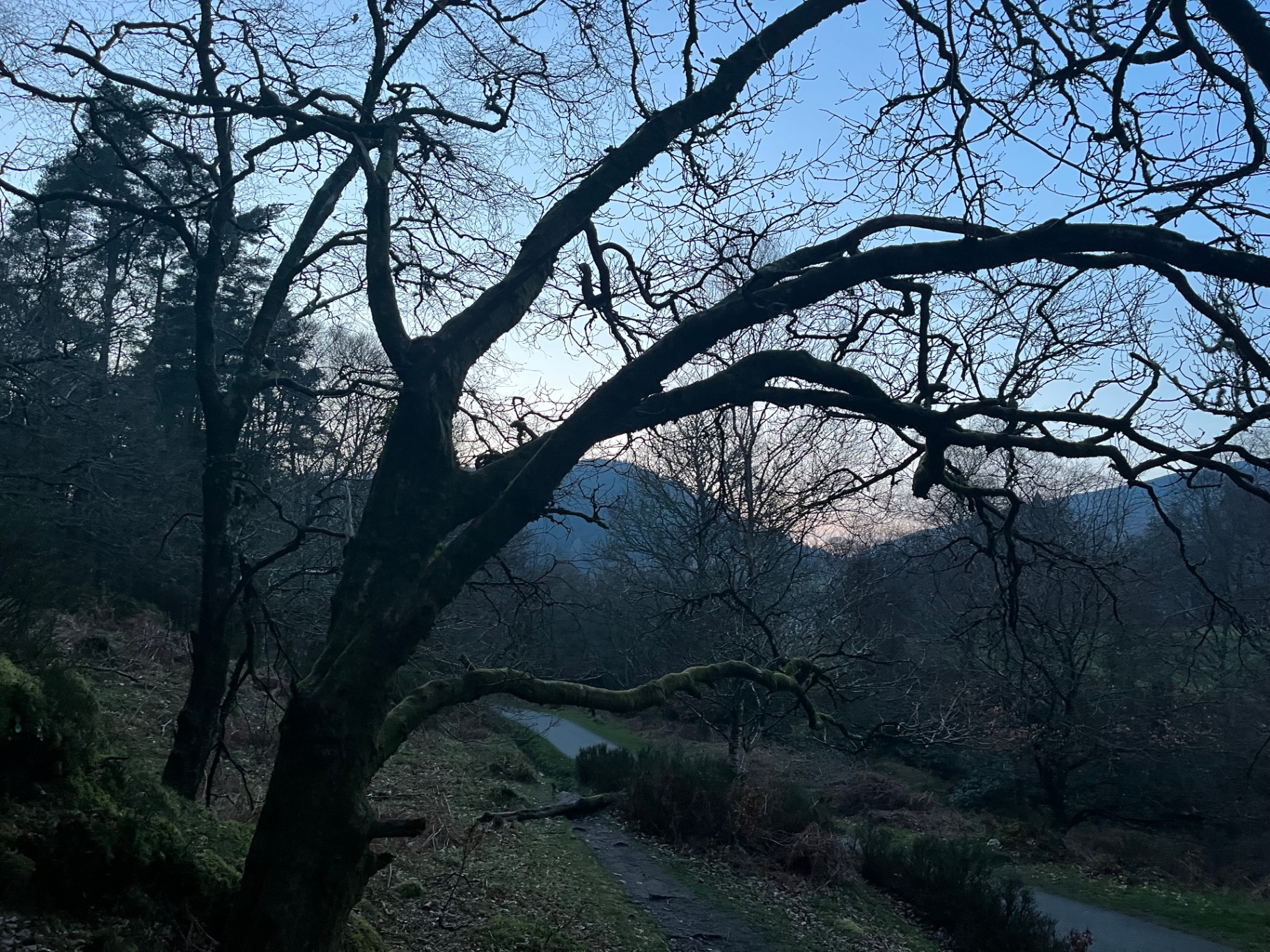
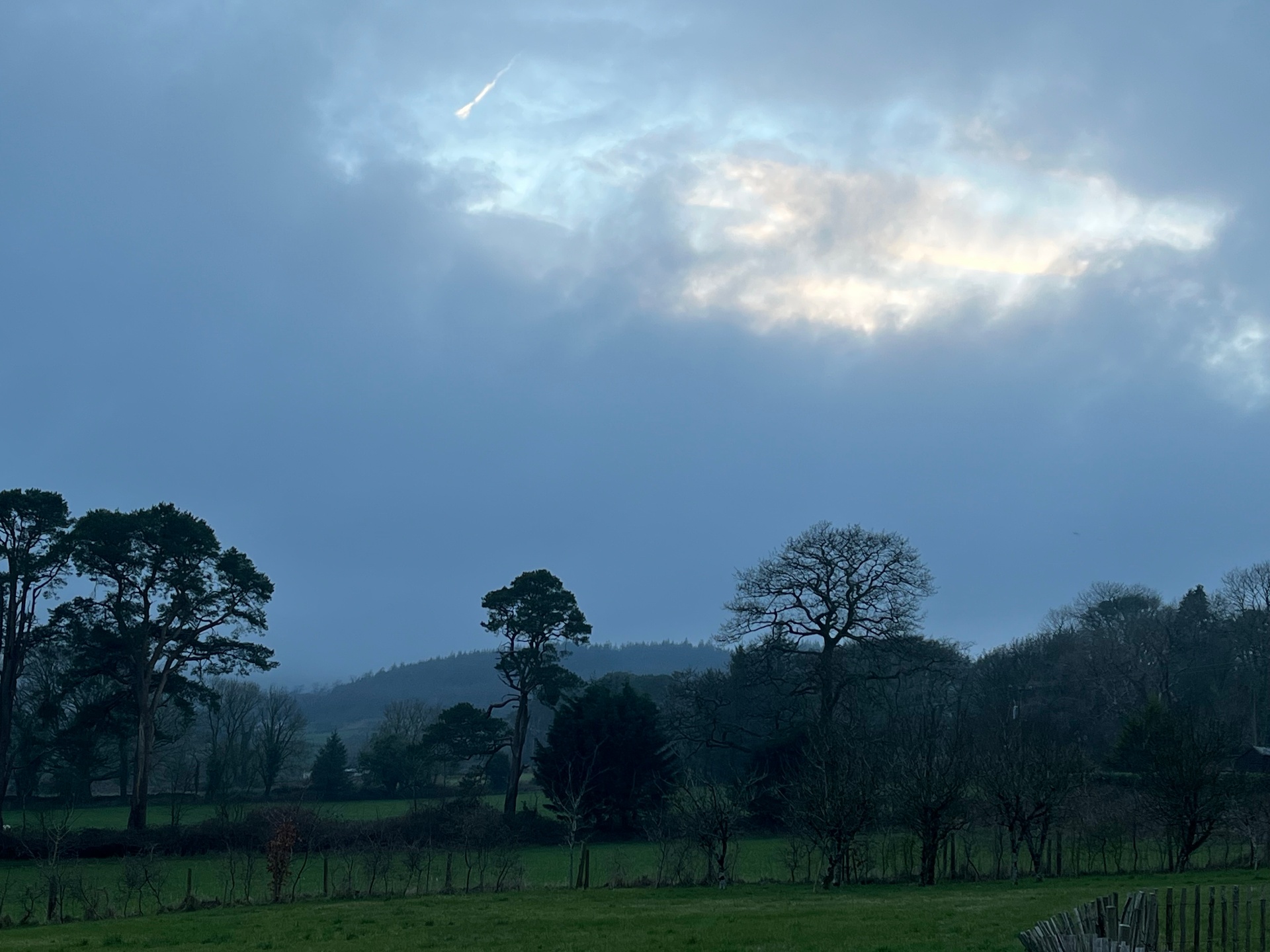
The core method is unchanged. What Celtic Holotropic retreats add is context: we hold the work on four acres of native woodland beneath Annagh mountain, beside the sacred well of Tober Patrick. Sessions are opened and closed with an awareness of the land, the ancestors and the older rhythms of this place — the wheel of the year, the Irish elements, the quiet presence of the Goddess Danu after whom the lodge is named. For those drawn to it, sweat lodge, shamanic journey and ceremonial fire sit alongside the breath as part of a wider healing container.
None of this is required. Many people come for the breath alone. The Celtic frame is offered, never imposed.
How the practice works
A breathwork session is roughly three hours long. Guided by carefully sequenced music and supported by trained facilitators, the breather lies on a mat and breathes faster and deeper than usual. The body's own intelligence takes over — much as it does in labour, in deep meditation or in the natural breath of an animal at rest. What emerges is different for every person: sometimes a clear memory, sometimes an emotion long held under the surface, sometimes a wordless sense of expansion or homecoming. Healing tends to arise when the intensity in the session matches the original charge of what is being released, held safely inside a strong container.
Participants work in pairs — one breathing, one sitting. The sitter's role is simply to be a steady, non-interfering witness; the very act of being witnessed, and of witnessing another, is itself part of the medicine. Sessions close with mandala drawing and journaling, and are integrated in a sharing circle.
Grof's cartography of the psyche — including the four perinatal matrices, the biographical layer and the transpersonal realms Carl Jung described as archetypal — offers a map for what can arise. Facilitators are trained to hold that terrain calmly, without interpretation, so the breather's own inner healer can lead the way.
Four ways to experience the work
- Individual three-hour session — one-to-one with a facilitator, with a companion of your choice present.
- One-day workshop — one breathing session and one sitting session, in a small group with opening and closing circles.
- Weekend residential — Friday evening to Sunday lunchtime, one full breathwork session per person.
- Double-breathwork residential — Thursday evening to Sunday lunchtime, two full breathwork sessions per person, one on each day.
Preparation and integration
The work is not suitable for everyone. Every participant has a phone conversation with Kate or Claire and completes a confidential medical questionnaire before being offered a place. Before each workshop we meet on Zoom to introduce the roles of breather, sitter and facilitator, answer questions and settle any nerves. One week after the workshop we meet again on Zoom to support integration.
We also run regular open Zoom evenings on holotropic states of consciousness — an easy way to hear more about the practice and ask questions before committing to a session.
Kate's story
I took my first breathwork journey in 2001. As a trained acupuncturist working with the body's energy in my clinical practice, the strong energetic release that arose during the session was not a surprise — but the depth of it was. Between 2007 and 2012 I trained as a facilitator, and the work opened a door onto layers of trauma I had not been able to reach any other way: my own birth (delivered by forceps under sedation), the long shock that followed the birth of my son, and the ancestral thread of my mother's undiagnosed hormonal and adrenal collapse in the 1960s, which was treated for decades as endogenous depression.
Breathwork did not resolve any of this in a single session. What it did, over years, was give me a reliable way to meet what was there — with the steady support of the community around Grof's work, and alongside psychotherapy, acupuncture and herbs. It is from that lived experience that I now offer the work to others.
It is a privilege to accompany you if you decide to take a breath here at Danu Lodge.
Held by experienced facilitators
Your guides on retreat